
De-Stress in Minutes: 5 Easy Yoga Poses to Calm Your Mind and Body
Learn how to relax your mind and body with a few simple and easy yoga poses that you can do right now!
7/7/20264 min read
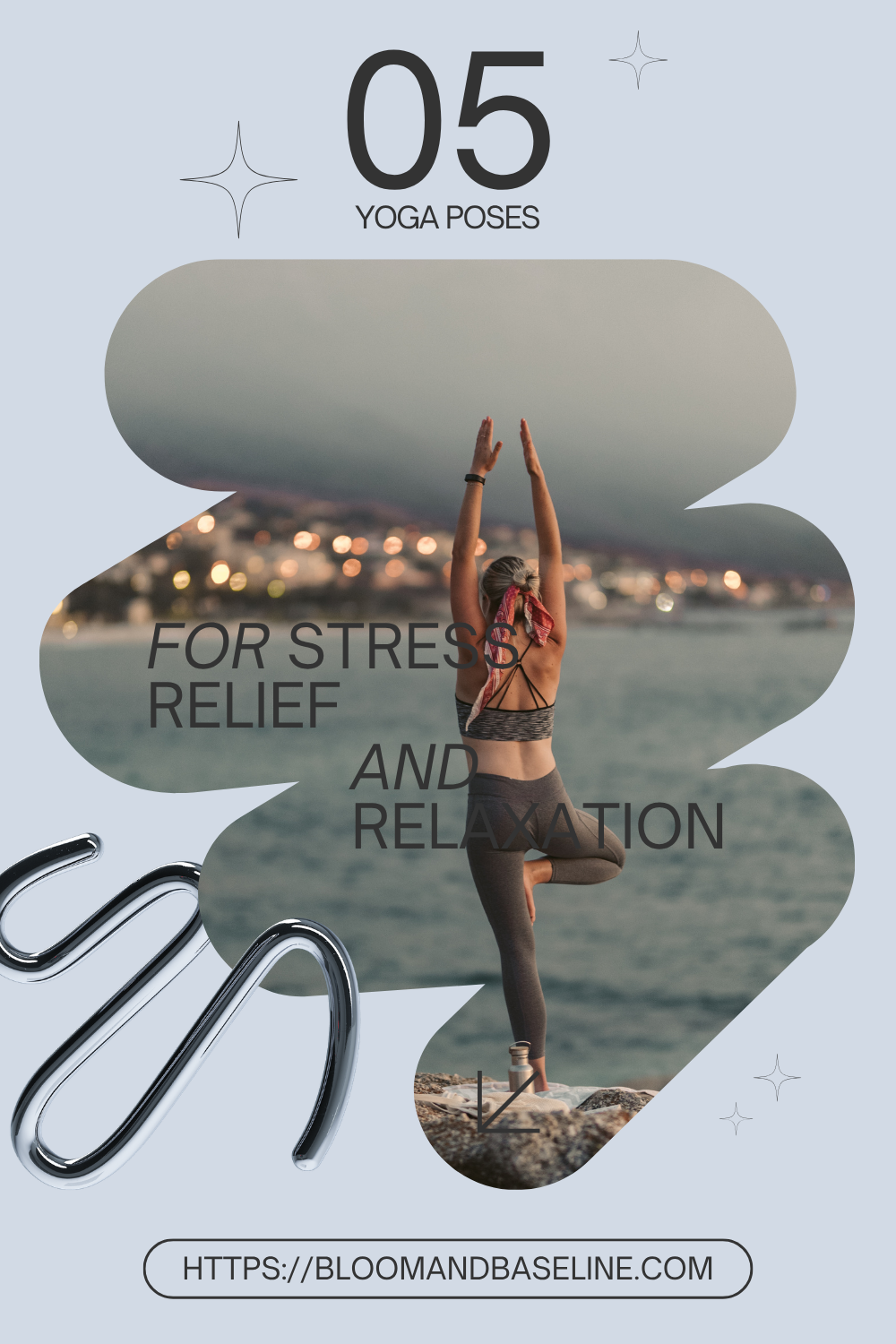
Deadlines piling up? Mind racing at 2:00 AM? Feeling like your phone notifications are constantly draining your energy?
Between balancing work, studies, relationships, and a social life, stress can easily take over. When your mind feels overloaded, your body absorbs that tension, leaving you with tight shoulders, a clenched jaw, and an overall sense of exhaustion.
The good news? You don't need a luxury spa day or an expensive wellness retreat to reset. You can completely calm your nervous system right on your bedroom floor.
This simple, 5-pose yoga routine is designed specifically for young women looking for realistic, low-effort wellness tools. These poses focus entirely on deep relaxation and stress relief. Hold each pose for 1 to 3 minutes, breathe deeply, and feel the weight of the world lift off your shoulders.
1. Legs-Up-the-Wall Pose (Viparita Karani)
How to do it:
Find an empty wall space and sit sideways with one hip pressed right against it.
Gently swing your legs up onto the wall as you lower your back, shoulders, and head down to the floor.
Scoot your hips as close to the wall as comfortably possible (your body will form an "L" shape).
Rest your arms out to the sides with your palms facing up, close your eyes, and let gravity do the work.
Why it helps:
This is the ultimate "exhausted after a long day" pose. Elevating your legs reverses your blood circulation, which pools in your lower limbs after hours of sitting or standing. It instantly lowers your heart rate, signals your brain that it is safe to rest, and relieves lower back tension. It feels incredibly luxurious for how little effort it requires.
2. Reclined Bound Angle Pose (Supta Baddha Konasana)
How to do it:
Lie flat on your back on a comfortable surface.
Bend your knees and place the soles of your feet together, letting your knees naturally fall open to the sides like a book.
If the stretch is too intense for your inner thighs, slide pillows or rolled-up blankets under your knees for support.
Place one hand on your heart and one hand on your belly to connect with your breath.
Why it helps:
We subconsciously store emotional stress, anxiety, and fear in our hips. When we feel overwhelmed, our bodies naturally tighten this area. This gentle, restorative opener melts away that emotional tension. By placing your hands on your body, you also practice mindfulness, grounding yourself in the present moment rather than worrying about the future.
3. Supported Bridge Pose (Setu Bandha Sarvangasana)
How to do it:
Lie on your back with your knees bent and feet flat on the floor, hip-width apart. Your heels should be close enough to your glutes that you can touch them with your fingertips.
Press down through your feet and lift your hips up.
Slide a yoga block, a thick book, or a firm pillow directly under your lower back/sacrum (the hard, flat bone just above your glutes).
Rest your hips down onto your support, let your arms relax by your sides, and hold.
Why it helps:
When we are stressed, our posture collapses—we hunch over our screens and close off our chests. Supported Bridge is a gentle heart-opener. It reverses that hunching posture, opening up the chest and lungs so you can take deeper, cleaner breaths. Supporting your weight with a prop allows your muscles to completely relax while still receiving the anxiety-reducing benefits of a backbend.
4. Seated Forward Fold (Paschimottanasana)
How to do it:
Sit up tall with your legs extended straight out in front of you.
Inhale and reach your arms up high to lengthen your spine.
Exhale and gently hinge from your hips to fold over your legs.
Let your hands rest wherever they reach—your shins, ankles, or feet. Keep your knees slightly bent if your hamstrings feel tight.
Relax your neck and let your head drop heavily toward your legs.
Why it helps:
In yoga, forward folds are highly introverted poses. By closing your body off from the visual stimuli of the room, you turn your attention inward. This pose stretches the entire back line of the body—from your calves up to your neck—where physical stress loves to hide. It acts as a physical barrier between you and your daily stressors, quietening a buzzing, overactive mind.
5. Corpse Pose with Deep Belly Breathing (Savasana)
How to do it:
Lie flat on your back, letting your feet drop open as wide as your mat.
Place your arms a few inches away from your body with your palms facing up.
Soften your jaw, relax the space between your eyebrows, and let your body feel completely heavy on the floor.
Inhale deeply through your nose for a count of 4, filling your belly like a balloon.
Exhale slowly through your mouth for a count of 6, letting go of any remaining tension.
Why it helps:
Do not skip this! Savasana is where the magic happens. It shifts your nervous system out of "fight or flight" mode (stress) and into "rest and digest" mode (relaxation). The elongated exhale (breathing out longer than you breathe in) directly triggers your vagus nerve to slow down your heart rate and quiet anxiety. It teaches you the art of doing absolutely nothing, which is the highest form of self-care.
Make Wellness Simple
You do not need a perfect 60-minute practice to change your mood. The next time your mind feels like a chaotic browser tab with 50 pages open, close your laptop, put your phone on "Do Not Disturb," and choose just two or three of these poses. Your mental health will thank you.
Bloom & Baseline
Gentle baselines for slow, unhurried living.
Home-Journal-Philosophy-Contact
Connect
Based in Colorado
New guides every month
© 2026 Bloom & Baseline-A quiet space for gentle habits.
UNHURRIED MOVEMENT • DAILY RITUALS